Private jet charter rates in Minneapolis
Private jet charter rates in Minneapolis start near $2,200 for a turboprop. Heavy jets run to $14,500 an hour at MSP, which sits at 841 feet. Summer density altitude is the number that trims payload here.
- 1field
- 0priced routes
- Main page
- Minneapolis
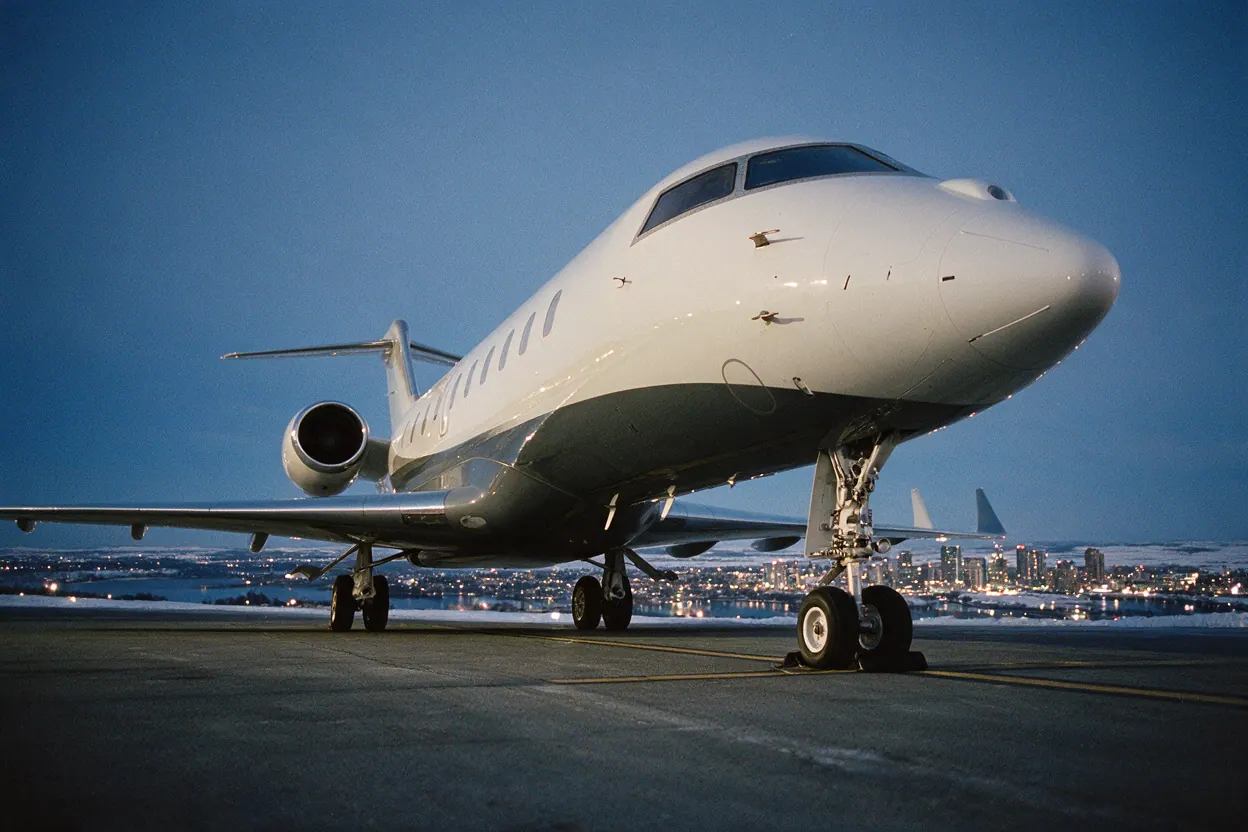
Minneapolis flies out of one field, KMSP, so the rate question usually comes down to aircraft rather than airport choice. MSP is a large commercial hub, and general aviation traffic is sequenced around airline arrivals, which is why the departure slot and the time of day move the quote as much as the cabin does. A midsize jet heading to Chicago or Denver prices differently at 7 a.m. on a Monday than it does on a Saturday morning.
Where you go sets the class. A turboprop at the low end handles Wisconsin, Iowa and the closer Upper Midwest on short hops. Light jets cover regional trips to Chicago, Kansas City and St. Louis. Heavy jets are for coast-to-coast legs and larger groups, and that is where the top of the rate card sits.
Weather is the local variable. July density altitude at MSP runs near 2,600 feet and can reach 3,200 feet on a hot afternoon, which can cut usable payload on a light jet with full tanks and a full cabin. January is the opposite problem: de-icing and cold-soak time get billed, and a winter departure can carry a charge a summer one does not. Wet days peak at 12 in May, so spring scheduling needs slack.
What changes a Minneapolis quote
One airport and one climate set the local variables. MSP's 11,006-foot runway at 841 feet of elevation supports every class on the rate card, including heavy jets on long transcons. But summer heat matters: July density altitude near 2,600 feet, and up to 3,200 feet on a hot day, can reduce payload on a light jet with full fuel. Winter adds de-icing and cold-soak time. January average highs near 25 degrees make de-icing a routine add-on to any Minneapolis departure, and it is billed on top of the hourly rate. Spring is wet, with 12 wet days in May, so build in slack around a tight schedule.
| Mo. | Mean high | Precip. days |
|---|---|---|
| Jan | 25°F | 5 |
| Feb | 28°F | 6 |
| Mar | 43°F | 8 |
| Apr | 54°F | 11 |
| May | 69°F | 12 |
| Jun | 80°F | 11 |
| Jul | 83°F | 10 |
| Aug | 80°F | 11 |
| Sep | 74°F | 10 |
| Oct | 58°F | 9 |
| Nov | 43°F | 8 |
| Dec | 30°F | 8 |
Nearby airports for Minneapolis

How to get a Minneapolis charter quote
Give the trip details once
Origin, destination, date, return date and passenger count. With those five items a broker can price a specific aircraft instead of a range, and the estimate holds up better when the schedule changes.
Match the aircraft to the leg
A light jet or turboprop covers most regional trips from MSP at the lower end of the hourly rates. Ask for a midsize or super-midsize when the leg runs past the Mountain West or the cabin needs to carry more than seven passengers.
Ask what the hourly rate includes
Confirm whether crew, fuel and standard landing fees sit inside the hourly figure, and ask for the added charges listed separately: de-icing, overnight crew, ground handling and any repositioning.
Check the operator before you commit
Ask for the FAA Part 135 certificate of the operator flying the trip and confirm insurance limits for your passenger count. On international legs, CBP clearance at the arrival airport needs to be arranged ahead of time.
Estimate a trip

Choose a route, traveler count and bag count to see the matching aircraft class, time in the air and an estimated price range.
Before you book
What are private jet charter rates in Minneapolis?
Turboprops start at $2,200 an hour and heavy jets run to $14,500. Light jets are $3,800 to $5,800, midsize $5,200 to $7,800, and super-midsize $7,200 to $10,000. These private jet charter rates in Minneapolis are estimates for the aircraft hour, and landing fees, de-icing and crew overnight charges are added as separate lines on the quote.
Which aircraft do most trips from Minneapolis use?
Light and midsize jets cover most regional and East Coast flying from MSP. A light jet seats 4-7 and flies about 1,400 nautical miles, which handles Chicago, Denver and similar legs. Midsize jets at 7-9 seats reach further. Heavy jets are for coast-to-coast trips and groups above 10 passengers, at the top of the rate card.
Does winter weather raise the price?
Yes. January highs near 25 degrees mean de-icing and cold-soak time, both billed on top of the hourly rate. If you fly in January, then ask for those charges in writing before you compare quotes, because a winter departure can price above the same trip in fall even with the same aircraft and the same route.
How does summer heat affect a departure from MSP?
July density altitude at MSP averages about 2,600 feet and can reach 3,200 feet on a hot day. Thin air reduces lift, so a light jet carrying a full cabin may need a fuel stop or a lighter load. If your trip falls in a July heat wave, then ask for the performance numbers for the specific aircraft.
Can I fly international from Minneapolis?
Yes, but plan the border. International legs need CBP clearance arranged at the arrival airport in advance, and that requirement shapes which airports can accept your flight. Give the passport names of every passenger with the request, since the manifest is filed before departure and changes close to the flight can delay it.
How far ahead should I request a quote for a Minneapolis flight?
Ask as soon as the dates are firm, especially for heavy jets, which are fewer in the local market. Weekday morning departures at MSP compete with airline traffic, so a busy date narrows aircraft choice. A firm quote usually needs the route, passenger count and dates; a range is all you can get before that.